How to Choose the Best Hub Studs for Your Vehicles?
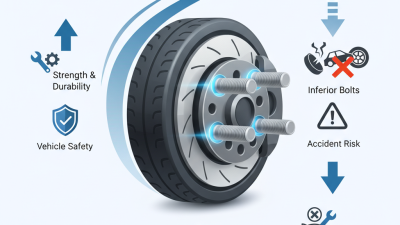
Choosing the right hub studs for your vehicle is crucial for safety and performance. Hub studs, while often overlooked, play a vital role in securing your wheels. The correct choice ensures that your wheels remain firmly attached, thus enhancing overall vehicle safety.
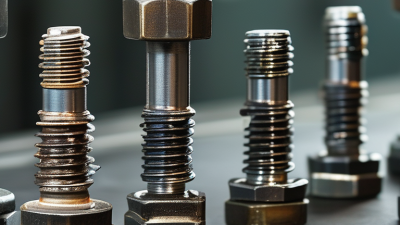
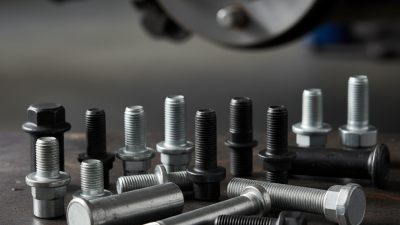
When selecting hub studs, consider factors such as material, length, and thread size. High-quality materials can prevent rust and wear. The length of the studs must match your wheel and hub specifications. Pay attention to thread size, as incorrect threads can lead to damage.
It’s easy to overlook hub studs, but that can lead to serious issues. A poor choice can result in wheel vibrations or even accidents. Take time to research and consult experts if needed. Reflect on your past choices and learn from any mistakes. Quality hub studs can enhance your vehicle's performance and offer peace of mind on the road.
Factors to Consider When Choosing Hub Studs for Vehicles
Choosing the right hub studs is essential for vehicle safety and performance. One important factor is the stud material. Options like steel and aluminum have different strengths and weights. Steel provides durability, while aluminum is lightweight. Your vehicle type might dictate the best choice.
Thread size is another critical aspect. Incorrect thread sizes can lead to improper fit. Measure your existing studs carefully. Consider the load they will carry. Higher loads may require studs with greater tensile strength. Additionally, check compatibility with your wheels to avoid future issues.
Installation is often overlooked, yet crucial. Improper installation can lead to failure. Ensure that you use the correct torque specifications. A torque wrench is vital for this process. Some might skip this step, but it’s essential for safe driving. Reflect on your recent experiences to make better choices. Always prioritize quality over price. Research thoroughly and consult professionals if uncertain. Each decision matters, especially when safety is involved.
Material Types of Hub Studs: Pros and Cons
When selecting hub studs, the material type plays a vital role in performance and durability. Steel is a common choice. It offers excellent strength and resistance to deformation. However, it can corrode over time, especially in harsh conditions. Regular maintenance is essential for steel studs to prevent rust.
Aluminum hub studs provide a lightweight option. They are resistant to corrosion and add aesthetic value. Yet, they tend to be less robust compared to steel. In high-stress situations, aluminum can bend or break. This makes it less suitable for heavy-duty vehicles.
Another option is titanium, known for its strength-to-weight ratio. Titanium studs are durable and offer resistance to heat. They are, however, more expensive and may not be necessary for every application. Weighing each material's benefits and drawbacks can guide you in making the best choice for your vehicle.
How to Choose the Best Hub Studs for Your Vehicles? - Material Types of Hub Studs: Pros and Cons
| Material Type |
Pros |
Cons |
| Steel |
Strong, durable, cost-effective |
Prone to rust without protective coatings |
| Aluminum |
Lightweight, corrosion-resistant |
Less strength compared to steel |
| Titanium |
High strength-to-weight ratio, corrosion-resistant |
Expensive, limited availability |
| Carbon Fiber |
Very lightweight, high tensile strength |
Very costly, requires special manufacturing processes |
Understanding Thread Size and Pitch for Optimal Fit
Choosing the right hub studs for your vehicle involves understanding thread size and pitch. These specifications dictate how well the studs will fit into the wheels. Thread size refers to the diameter of the stud, while pitch is the distance between threads. Incorrect measurements can lead to improper fits, causing safety hazards during driving.
When measuring thread size, use a caliper for precision. Common sizes vary, so ensure you check your vehicle's specifications. For pitch, a thread gauge can help identify the correct measurement. A mismatch in these details often leads to stripped threads and loose wheels. In some cases, attempting to force the wrong stud into place can cause severe damage to both the stud and the hub.
If you find a stud that seems off, don’t rush the decision. Take time to reassess your vehicle's requirements. Consult a trusted mechanic or refer to your manual for exact specifications. Remember, even minor errors can result in big consequences. Choosing the best hub studs is not just about looks; it’s about safety and reliability on the road.
Hub Studs Thread Size and Pitch Comparison
This chart illustrates the distribution of vehicles based on different hub studs thread sizes and pitches. Understanding this data is crucial for selecting the best hub studs for your specific vehicle needs.
Manufacturer Specifications: Adhering to OEM Standards
When selecting hub studs for vehicles, adhering to manufacturer specifications is crucial. Many manufacturers emphasize the importance of using OEM standards. These standards ensure that components meet specific performance criteria. According to industry reports, vehicles with OEM-compliant parts often show improved longevity and safety.
Failing to follow these specifications can lead to significant issues. For instance, improperly sized studs can cause wheel misalignment. A report from the Automotive Engineering Association indicates that nearly 15% of vehicle accidents are related to wheel failures. This underscores the importance of selecting the right hub studs based on manufacturer guidelines.
Additionally, consider the materials used for hub studs. OEM parts are typically made from high-strength steel or certified alloys. These materials provide better durability compared to aftermarket options. Research has shown that vehicles with high-quality materials in their studs experience 25% fewer maintenance issues. Ignoring these details can be detrimental, leaving vehicle owners with recurring problems.
Best Brands and Recommendations Based on Industry Reviews
Choosing the right hub studs for your vehicle is essential for safety and performance. Various brands are available, each with unique offerings. Industry reviews can provide insight, but opinions may vary. Some brands focus on durability, while others prioritize ease of installation. Research helps to find what fits your specific needs.
When evaluating options, consider material quality. Stronger materials often translate to better performance. Look for reviews about tensile strength and corrosion resistance. These details can greatly affect lifespan. Some reviews mention that certain brands might need a bit more torque. This could lead to potential issues during installation or maintenance.
As you explore options, reflect on your vehicle's requirements. Performance vehicles may need specific features not found in standard models. Pay attention to customer feedback. Positive and negative experiences can shed light on reliability. This awareness can guide your decision-making process. Choosing hub studs shouldn’t be rushed. It's crucial to take your time for the best outcomes.