How to Choose the Right Alloy Wheel Bolts for Your Vehicle?
Choosing the right alloy wheel bolts for your vehicle is crucial. The right bolts ensure safety and performance. Poorly matched bolts can lead to accidents. Understanding the specifications is key.
Alloy wheel bolts come in various sizes and materials. It's essential to know the specifications of your vehicle's wheels. Mismatched bolts can weaken the structure. This can affect your driving experience significantly.
Consider consulting an expert or a trusted source. Each vehicle may require different types of alloy wheel bolts. Researching and understanding these differences can save you from costly errors. Your safety depends on these small but vital components.
Understanding Alloy Wheel Bolts: Types and Specifications
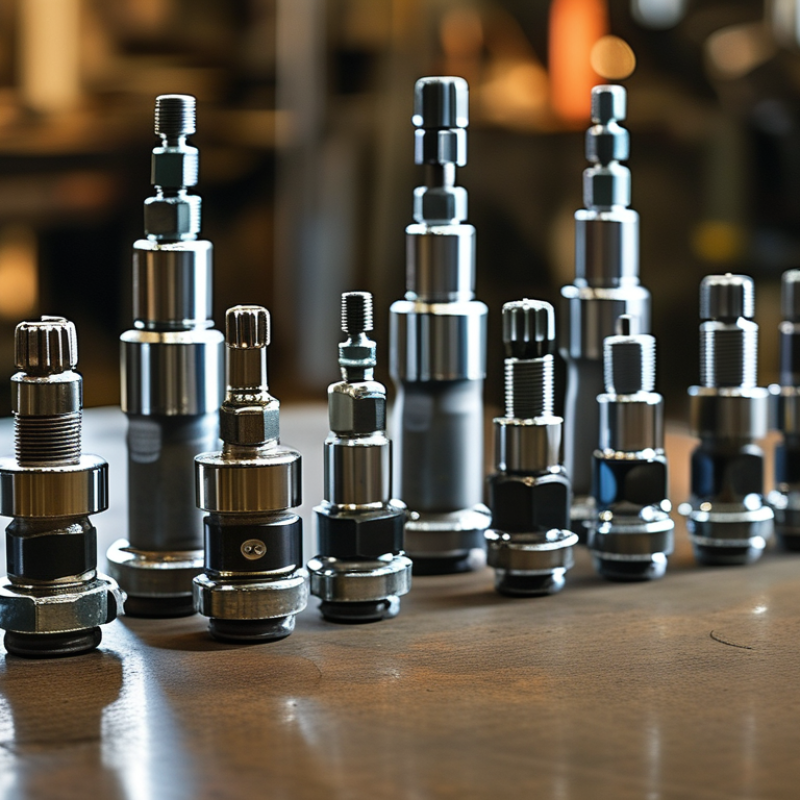
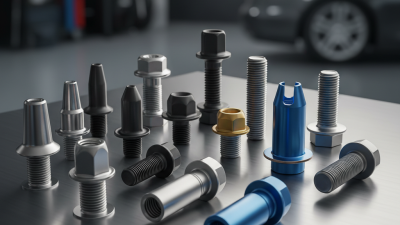
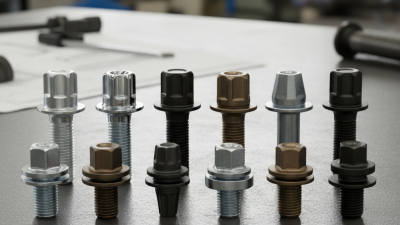
When choosing alloy wheel bolts, it's crucial to understand the types and specifications. Alloy wheel bolts come in various shapes and sizes. Each type has specific uses. Common types include tapered, flat, and spherical bolts. Tapered bolts are often used in sport applications. Flat bolts provide better surface contact for heavier loads.
Specifications also matter when selecting bolts. Pay attention to diameter, thread pitch, and length. A proper fit ensures safety and performance. The material of the bolts should also be durable but lightweight. Common materials include steel and aluminum, each offering distinct benefits.
Choosing the wrong bolt can lead to issues like wheel wobble or even failure. Misalignment is another concern. It’s important to double-check measurements before purchasing. Many vehicle owners overlook these details. They assume any bolt will fit. This can result in potential risks. Make sure to do your research to ensure compatibility. Your vehicle’s safety and performance depend on it.
Alloy Wheel Bolt Types and Their Specifications
Factors to Consider When Choosing Alloy Wheel Bolts
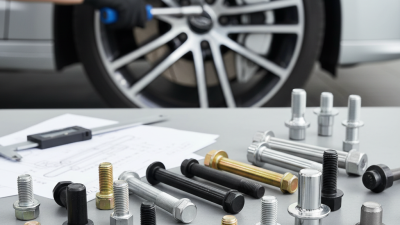
When selecting alloy wheel bolts, several factors demand your attention. The bolt size is critical. An incorrect diameter can lead to failure. Measure the existing bolts or consult your vehicle’s specifications for proper sizing. Additionally, thread pitch is essential. This alignment ensures the bolts fit snugly and securely.
Material is another key consideration. Alloy wheels often require specific bolt materials, such as steel or titanium. Steel offers strength, while titanium is lightweight and corrosion-resistant. Consider your driving conditions. Harsh environments may necessitate additional rust protection.
Don’t overlook the bolt length. Too short, and they may not secure the wheel properly; too long, and they could damage brake components. Inspect your vehicle's caliper clearance before purchase. Without proper fit, you might face performance issues. Choosing the right alloy wheel bolts requires careful evaluation. Balancing aesthetics and functionality can be challenging but is well worth the effort.
How to Choose the Right Alloy Wheel Bolts for Your Vehicle? - Factors to Consider When Choosing Alloy Wheel Bolts
| Factor |
Description |
Recommended Material |
Torque Specifications |
| Bolt Length |
Length must match the thickness of the wheel and hub assembly. |
Steel or Aluminum |
70-90 Nm |
| Thread Pitch |
Measure the distance between threads to ensure a proper fit. |
Metric or Imperial |
Varies by application |
| Seat Type |
Determine the shape of the bolt head that fits your wheel nuts. |
Cone or Flat |
Again, varies |
| Corrosion Resistance |
Select bolts with protective coatings to prevent rust. |
Zinc plated or anodized |
Same as above |
| Load Rating |
Choose bolts that can support the vehicle's weight and performance. |
High-strength steel |
Check vehicle specs |
Compatibility: Matching Bolts with Your Vehicle’s Wheel Type
When choosing alloy wheel bolts, compatibility with your vehicle’s wheel type is crucial. Different wheel designs require different bolt shapes and sizes. A mismatch can lead to serious issues, including safety hazards. Always refer to your vehicle’s manual for the specifications of required bolts.
Pay attention to the bolt length and thread pitch. A bolt too long can protrude into the wheel hub, while a short one may not secure the wheel properly. Ensure the seating surface matches the wheel design. Conical, flat, and ball seat types have different fits. Inadequate fitment can lead to vibrations and loosening over time.
Checking the material is also important. Stainless steel offers corrosion resistance, while carbon steel is strong but may rust. Inspect used bolts for wear and tear before reuse. Frayed or corroded bolts should always be replaced.
Each vehicle has specific requirements, making it essential to carefully select the proper bolts. A secure fit contributes to safe driving conditions and may prevent costly repairs down the road.
Material Quality and Durability of Alloy Wheel Bolts
When selecting alloy wheel bolts, material quality and durability are crucial. Alloy bolts are made from various metals, often aluminum or steel. Aluminum is lightweight but may not offer the strength needed for heavy-duty use. Steel bolts provide durability but can be heavier and prone to rust if not properly coated. Choosing the right material impacts both performance and safety.
Look for bolts that meet industry standards. High-strength materials resist stripping and wear. Corrosion-resistant coatings enhance durability, especially in harsh climates. Examine bolt designs. Some have features that improve grip and performance. Others may lack these benefits, leading to potential issues.
It's important to consider your driving habits. Frequent off-roading or heavy towing demands more robust bolts. Weak or low-quality bolts can compromise safety over time. Be cautious about online sources that may mislead you. Consulting with professionals can provide valuable insights into selecting the best bolts for your vehicle. This knowledge can help you avoid costly mistakes.
Installation and Maintenance Tips for Alloy Wheel Bolts
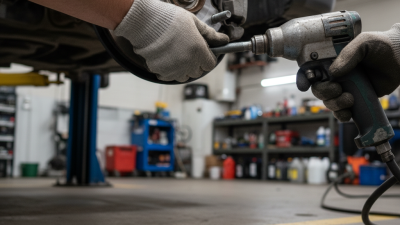
When installing alloy wheel bolts, attention to detail is vital. Improper installation can lead to serious safety risks. According to industry reports, about 25% of wheel-related accidents are caused by incorrect bolt specifications. Ensuring the right torque is essential. Use a reliable torque wrench to apply the manufacturer-recommended force. Over-tightening can lead to stripped threads, while under-tightening risks wheel loosening.
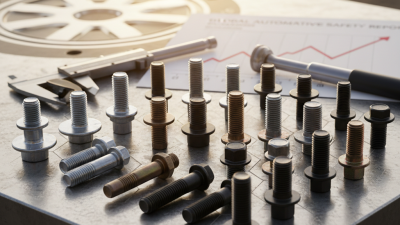
Regular maintenance of alloy wheel bolts is equally important. Check bolts for wear and corrosion at every tire rotation. A study in automotive safety emphasized that routinely inspecting wheel fasteners can reduce mechanical failures by 30%. If a bolt shows signs of wear, replacing it promptly is crucial. Additionally, applying anti-seize lubricant can prolong bolt life. It helps prevent rust and makes future removals easier. Remember, even minor neglect can have serious consequences.