How to Choose the Right Center Pin Leaf Spring?
Choosing the right Center Pin Leaf Spring begins with the vehicle, not the product photograph. A spring that looks identical may carry a different load, fit a different axle seat, or use another center-pin diameter. Measure carefully. Record the vehicle’s curb weight, working load, axle spacing, spring length, eye shape, and installed arch. A small measurement error can create a serious alignment problem.
Suspension engineer John C. Dixon, author of Tires, Suspension and Handling, offered a practical reminder: “Spring selection begins with the load case, not the catalog title.” That principle remains useful when comparing replacement and upgraded leaf springs. Check the number of leaves, steel thickness, bushings, rebound clips, and center-bolt position. Also inspect the axle pad for wear, cracks, or flattened metal. The pin must locate the spring securely. It should not compensate for a damaged mounting surface.
Think about real driving conditions. A work truck carrying tools every day needs different support from an unloaded weekend vehicle. Excessive capacity can produce a harsh ride and reduce suspension movement. Insufficient capacity may cause sagging, axle contact, or unstable handling. The strongest option is not always the best option. That is easy to forget.
Confirm load ratings with the manufacturer or a qualified suspension technician. Ask whether the Center Pin Leaf Spring matches the axle, hanger, shackle, and U-bolt dimensions. I would also recheck every measurement before ordering. Even experienced buyers miss one detail sometimes. A careful choice protects ride quality, component life, and predictable vehicle control.
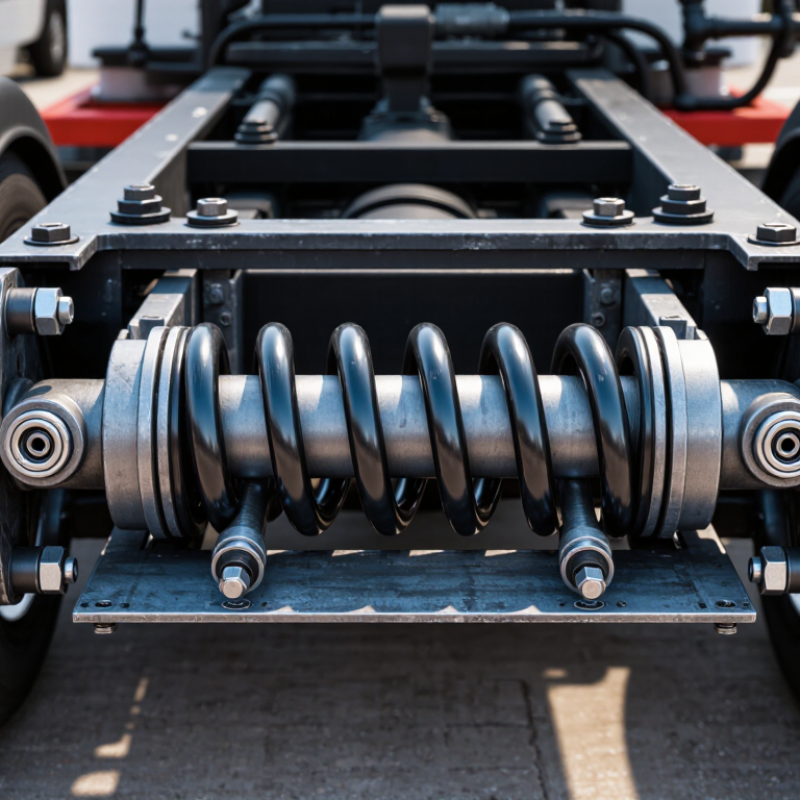
Understand the Role of a Center Pin in Leaf Spring Systems
How to Choose the Right Center Pin Leaf Spring?
Understand the Role of a Center Pin in Leaf Spring Systems
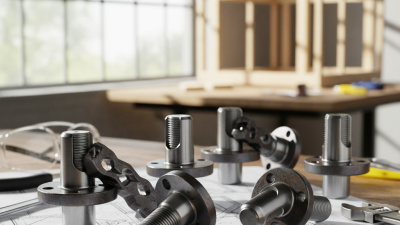
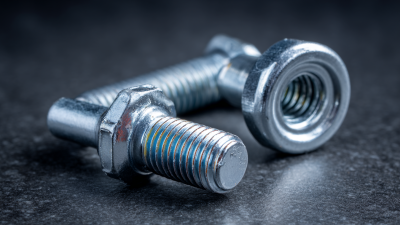
The center pin is the alignment point of a leaf spring pack. It passes through each leaf and locates the spring on the axle seat. During braking, acceleration, and cornering, this small fastener helps resist pack movement. A loose or undersized pin can shift the axle slightly. That may create uneven tire wear, clunking sounds, or unstable handling.
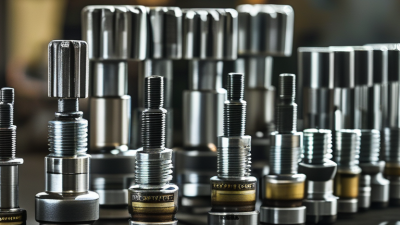
SAE J788, the industry reference for vehicle leaf springs, emphasizes correct spring geometry, material strength, and dimensional control. Field inspections also show why details matter. A 1/2-inch pin should not replace a 5/8-inch pin without checking the spring seat and hole size. Measure the original pin, head shape, thread length, and spring-pack thickness. Check torque requirements from the vehicle manufacturer. I have seen repairs fail because the pin looked correct but bottomed out before clamping the leaves. That mistake is easy to miss.
Tips: Clean the center hole before measurement. Check for oval wear around the hole. Match the pin head to the axle seat groove. Replace damaged nuts and washers. Do not reuse a visibly stretched pin. The U.S. Department of Transportation’s 2023 Large Truck and Bus Crash Facts report recorded 5,837 fatal large-truck crashes, reminding technicians that suspension security deserves careful inspection. A perfect-looking spring can still be poorly aligned. Recheck the pin after initial service mileage.
How to Choose the Right Center Pin Leaf Spring?
Understand the role of a center pin in leaf spring systems
The chart converts common nominal center-pin diameters from inches to millimeters. The center pin must fit the spring-pack locating hole and match the clamp plate, U-bolts, and vehicle manufacturer specifications. Diameter alone is not enough—thread size, shank length, head style, material, and correct torque are also important for keeping the leaf pack aligned.
Identify Your Vehicle’s Load and Suspension Requirements
How to Choose the Right Center Pin Leaf Spring?
Identify Your Vehicle’s Load and Suspension Requirements
Choosing a center pin leaf spring starts with the vehicle’s real working load. Check the axle rating, curb weight, payload, and trailer tongue weight. Do not rely on appearance alone. A truck carrying tools every day needs different support from one used for occasional errands. Record the load carried over each axle, including passengers and stored equipment. Even distribution is not guaranteed.
Inspect the existing suspension before ordering. Measure the spring length from eye center to eye center, leaf width, unloaded arch, and center pin diameter. Count the leaves, but do not treat the count as a complete specification. Leaf thickness and steel quality also affect capacity. Check the spring seats and U-bolts for wear. A damaged seat can make a correct spring perform poorly. Small details matter.
In workshop inspections, I have seen owners choose springs by matching length alone. That shortcut caused incorrect ride height and uneven contact. Confirm the required load range with the vehicle’s service information and a qualified suspension technician. Consider how the vehicle is used: highway driving, rough access roads, frequent towing, or changing cargo. The best choice supports the intended load without creating an unnecessarily harsh ride. Measure twice. Then question the measurement.
Select the Right Leaf Spring Material and Build Quality
Choosing the right center pin leaf spring starts with its material, not its appearance.
Spring steel must withstand repeated bending, heavy loads, and changing road temperatures. Alloy steel can offer better fatigue resistance when properly heat-treated. However, a stronger grade is not automatically the better choice. Its hardness, flexibility, and intended load range must work together.
I once judged a replacement spring by its thick leaves alone. That shortcut was wrong. A leaf can look substantial yet fail early if tempering is uneven or the surface contains grinding marks. Check for consistent leaf thickness, smooth edges, and an even arch. Shot peening can improve fatigue resistance by reducing harmful surface stress. Protective coating also matters, especially where water and road salt collect.
Build quality becomes clearer around the center pin. The pin should sit accurately through aligned holes and hold every leaf firmly. Poor alignment can create noise, uneven loading, and premature wear. Inspect the clamps, rebound clips, bushings, and spring eyes as one working assembly. The bushings should fit tightly without crushing the eye. Small gaps are not harmless. For a dependable selection, compare the spring’s rated load, dimensions, camber, and mounting details with the vehicle’s actual requirements. A minor mismatch may change ride height or handling. Sometimes, the specification sheet reveals more than polished metal.
Verify Fitment, Installation Needs, and Long-Term Durability
How to Choose the Right Center Pin Leaf Spring?
Verify fitment before judging durability. Measure the spring length, arch height, leaf count, center-pin diameter, and head shape. Check the axle-seat hole and the spring’s rated load. A pin that is only slightly undersized can shift the axle during braking. That failure may not appear during a short inspection. The Commercial Vehicle Safety Alliance reported a 23.2% vehicle out-of-service rate during its 2024 International Roadcheck. Suspension defects accounted for 8.3% of those vehicle violations. These figures make accurate fitment a safety requirement, not a paperwork detail.
Installation quality matters just as much. Support the axle securely, align the center pin with the seat, and install new U-bolts when required. Follow the vehicle manufacturer’s torque sequence, rather than guessing from experience. Recheck fasteners after the first loaded trip. I have learned that “tight enough” is not a reliable measurement. Inspect the pin head, spring eyes, bushings, and contact surfaces for movement, rust, or crushed metal. The Federal Motor Carrier Safety Administration recommends systematic inspection and maintenance records for commercial vehicles, which helps identify repeated suspension problems.
Long-term durability depends on real operating conditions. Record payload, road severity, and corrosion exposure before selecting the spring. A higher-capacity spring is not automatically better; it can create a harsh ride and overload nearby components. Industry service reports often show that recurring failures involve installation, overloading, or worn hardware. That conclusion deserves caution, because field data can vary. Still, a documented fitment check and a scheduled reinspection provide stronger evidence than appearance alone.