Leave Your Message

7 Tips for Buying Galvanized Square Bolts

Choosing Galvanized Square Bolts is not just a matter of picking a size from a catalog. The right choice depends on the joint, the exposure, and the tools available for installation. A square head can be easier to grip in some assemblies, but it still needs proper clearance and a compatible wrench. Small details matter.

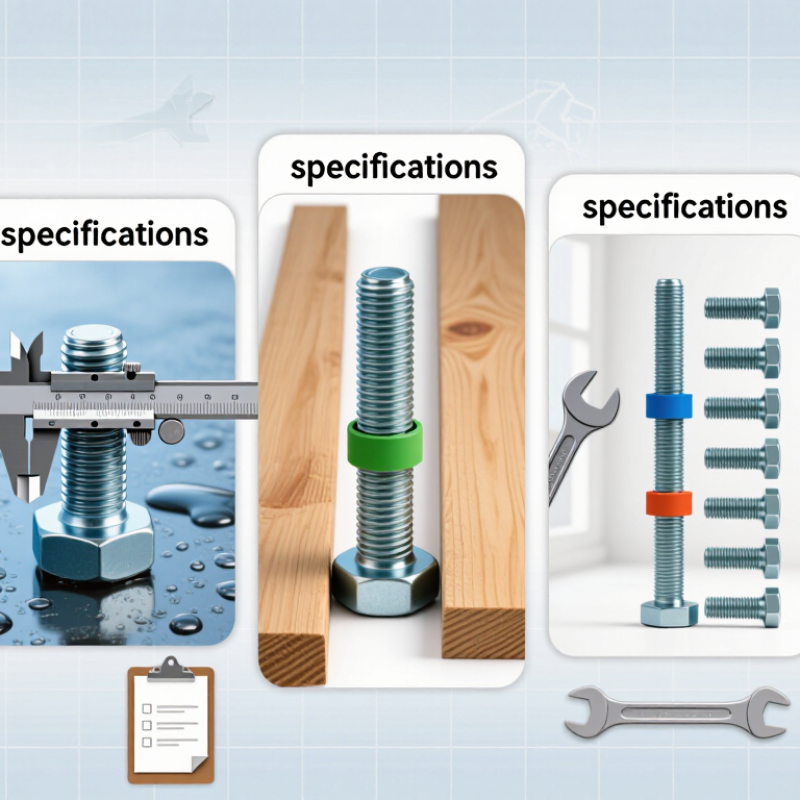
This guide uses an illustrative quote from fictional fastener specialist Elena Brooks: “A protective coating helps only when the bolt also fits the load, the material, and the working environment.” This is an original line, not a verified quotation. It captures a useful buying principle: galvanized finishes can help resist corrosion, but they do not make every bolt suitable for every setting. Check the specified diameter, length, thread, coating description, and grade. Compare the product details with your project requirements, rather than relying on a product photo or a vague label.

Look closely at the practical evidence. Does the listing identify the coating process? Are dimensions stated clearly? Can the supplier provide traceable specifications? A bolt that looks sturdy in a bright showroom may behave differently in a damp barn, outdoor frame, or frequently serviced machine. And sometimes the right answer is to pause and confirm compatibility with the connected materials. These seven tips will help you ask sharper questions, compare products fairly, and avoid a costly mismatch. There is no shortcut around checking the details.
7 Tips for Buying Galvanized Square Bolts

Understanding Galvanized Square Bolts and Their Common Uses

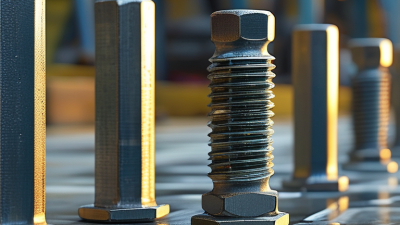
Galvanized square bolts combine a four-sided head with a zinc coating that helps protect steel from moisture and corrosion. The square head offers broad, flat sides for wrench contact, which can be useful when tightening hardware by hand or with basic tools. The coating’s protection depends on its type and thickness, so “galvanized” alone does not describe every bolt’s performance.

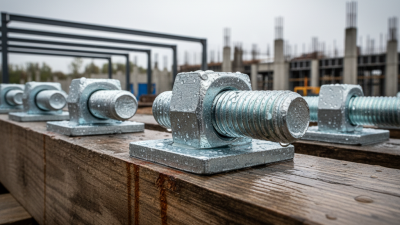
These bolts commonly secure timber frames, fence hardware, agricultural equipment, and older-style machinery. In a timber connection, the head can sit against a broad surface while the threaded end accepts a compatible nut and washer. On outdoor equipment, zinc coating can slow rust caused by rain and damp air. It is not a guarantee against corrosion, especially near salt spray or in persistently wet conditions. Details matter.

Before choosing one, check the bolt’s diameter, length, thread, and coating, then match the nut and washer accordingly. A bolt that is too short may not provide enough thread engagement; one that is too long can interfere with nearby parts. Also inspect the threads and coating for damage. It is easy to assume every galvanized finish is equally durable, but that assumption can lead to a poor fit for the environment. Temperature, load, and the material being fastened deserve attention too.
Choosing the Right Bolt Size, Thread, and Head Dimensions

When buying galvanized square bolts, check more than nominal diameter. Measure the shank, usable length, and head width across flats. ISO 261 lists a 1.5 mm coarse-thread pitch for an M10 bolt; fine-thread pitches differ. Match the thread designation to the nut, not just by eye. Fit matters. A mismatched pitch may start, then bind and damage the threads.

Choose bolt length by measuring from beneath the head to the tip, then allow for the materials, washers, and nut. ASME B18.2.1 provides dimensional tables for square-head bolts, including head width and height. Check those dimensions against your wrench clearance and bearing surface. Small mismatch, big nuisance. Galvanized coating can also affect thread fit; ASTM F2329/F2329M covers hot-dip galvanized coatings on carbon and alloy steel bolts and related fasteners.

A practical check is to test the bolt with its intended nut before assembly, especially when parts come from different batches. If the nut feels tight immediately, don’t force it. Recheck the thread series and coating condition. This step is easy to skip. It is also easy to regret. Specifications help, but actual head dimensions and fit should still be verified against the job’s available space.

Comparing Galvanizing Methods and Corrosion Protection

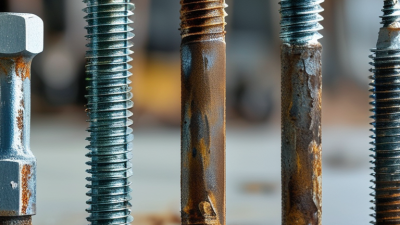
Galvanized square bolts are protected by a zinc coating, but the application method affects coating thickness, fit, and corrosion resistance. Hot-dip galvanizing immerses bolts in molten zinc, producing a relatively thick, durable layer. It suits exposed outdoor structures, though the rougher finish can affect close-fitting parts. Check that nuts are intended for galvanized bolts; standard threads may bind.

Electrogalvanizing applies zinc through an electrical process. The finish is usually smoother and more uniform, which can help where appearance or precise fit matters. However, its thinner coating generally offers less protection in persistently wet or salty conditions. High-strength fasteners also need careful process control because electroplating can introduce hydrogen embrittlement risk. Ask the supplier for the coating specification and any required safeguards.

Mechanical galvanizing tumbles fasteners with zinc powder and media, creating a coating without the same electroplating process. It can be useful for some high-strength bolts, but coverage and performance depend on the specified process. There is no perfect coating. Match the method to the actual exposure: sheltered interiors differ from road spray or coastal air. Inspect threads, corners, and the underside of the bolt head for bare spots. Appearance can mislead; a bright finish alone does not establish corrosion life. Salt-spray results can help compare products, but they do not precisely predict years in service.

Matching Bolt Strength and Material to the Application

Matching Bolt Strength and Material to the Application

A square bolt must resist the load, not just fit the wrench. Check the drawing for tensile, shear, and clamp-load requirements, then match the bolt’s grade to them. ASTM F3125/F3125M lists a 120 ksi minimum tensile strength for Grade A325 bolts in the 1/2-to-1-inch range. That figure is a useful reference, not a rating for every square bolt; confirm the product’s grade and test certificate. Fit matters. A stronger bolt can still fail if the connected material or joint design is inadequate.

Galvanizing protects steel, but exposure changes how long that protection lasts. ISO 9223:2012 classifies first-year zinc loss in C3 environments at over 0.7 to 2.1 micrometres. Coastal spray, chemical fumes, and trapped moisture may create harsher local conditions. Not automatically. Ask the supplier which coating process and specification apply, and check that the nut and bolt are compatible. Thick coatings can affect thread fit, while mismatched materials may increase corrosion risk. In practice, inspect the actual assembly and its surroundings; a sheltered indoor joint and a wet outdoor joint should not receive the same assumptions.

Checking Quality, Standards, and Supplier Reliability

Buying galvanized square bolts means checking more than appearance. A bright, even finish is useful, but it cannot prove coating thickness or traceability. NACE International’s 2016 IMPACT study estimated corrosion costs at US$2.5 trillion annually, around 3.4% of global GDP. This is a broad estimate, not a bolt-specific figure, but it shows why coating quality matters.

Tip 1: Confirm the coating standard and process. For hot-dip galvanized fasteners, check whether ISO 10684 or ASTM F2329/F2329M applies to your order. Ask for the required coating criteria in writing. Tip 2: Inspect a sample for bare patches, heavy zinc buildup, and damaged threads. Try the intended nut; coating thickness can affect fit. Small details matter.

Tip 3: Request lot-specific inspection records and material documentation, then match the lot numbers to the delivered cartons. Tip 4: Check whether the supplier explains its inspection process, handles nonconforming goods, and gives realistic lead times. A polished certificate is not enough by itself. Ask who measured the coating and when. If records are vague, pause and ask again; I would not treat a low price as proof of poor quality, either.

7 Tips for Buying Galvanized Square Bolts - Checking Quality, Standards, and Supplier Reliability

Tip What to Check Useful Evidence Relevant Standard or Reference Warning Signs
1. Specify the bolt precisely Confirm nominal diameter, length, thread form and pitch, square-head dimensions, material, and quantity. State whether the measurement is in inches or millimetres. A written drawing or purchase specification that defines the required dimensions and tolerances. ASME B18.2.1 covers dimensions for inch-series square and hex bolts and screws. Use the applicable product drawing for metric or nonstandard designs. Quotes that say only “square bolts” without dimensions, thread details, or material requirements.
2. Match the coating to the service environment Identify whether the requirement is hot-dip galvanizing or another zinc coating. Consider outdoor exposure, moisture, and any project-specific corrosion requirements. A purchase specification naming the coating process and the required inspection or acceptance criteria. ASTM F2329/F2329M addresses hot-dip galvanized coatings on specified steel bolts, screws, washers, nuts, and special threaded fasteners. ISO 10684 covers hot-dip galvanized coatings on fasteners. A vague description such as “galvanized” with no coating process or applicable requirements.
3. Verify coating quality Check for reasonably uniform coverage and inspect for bare areas, significant lumps, blocked threads, or other defects that could affect assembly. Inspection records and, where required by the order, coating-thickness measurements and documented acceptance results. Apply the coating standard specified for the fastener and its dimensions. Coating requirements and permitted thread allowances depend on the applicable specification. Claims of a particular coating thickness without a stated test method, sampling plan, or applicable requirement.
4. Check mechanical properties Confirm the required material grade and mechanical properties are suitable for the intended load and application. A material or mechanical test report that identifies the grade, lot, test results, and applicable requirements. ISO 898-1 specifies mechanical and physical properties for carbon steel and alloy steel bolts, screws, and studs. It does not by itself establish the coating specification. Strength or grade claims that are not tied to a recognized specification or traceable test documentation.
5. Assess thread fit after coating Confirm that the bolt can be assembled with the intended mating nut and that the coating process and thread allowance are addressed in the order. Sample fit checks or inspection records using the specified mating components and applicable thread gauges. Use the thread and coating provisions in the agreed product and coating specifications. Do not assume every galvanized bolt uses the same thread allowance. Threads that are visibly obstructed, damaged, or difficult to assemble during a representative fit check.
6. Require traceable quality documents Ask for documents linking the delivered fasteners to their production lot, material, dimensions, coating process, and inspection results. Lot identification, certificates or test reports where specified, inspection records, and a packing list that matches the order. Document requirements should be stated in the purchase order; the relevant product and coating standards define which technical requirements apply. Undated or untraceable reports, mismatched lot numbers, or documents that do not identify the supplied product.
7. Evaluate supplier reliability Review the supplier’s ability to meet the specification, communicate lead times, manage nonconforming goods, and provide consistent documentation. Written quotations, agreed delivery dates, inspection or corrective-action procedures, and clear warranty and returns terms. Set measurable requirements in the purchase order, including applicable standards, inspection criteria, packaging, and delivery expectations. Unclear answers about standards, undocumented substitutions, or reluctance to confirm requirements in writing.