Global truck buyers often focus on engines, axles, and electronic systems. The Truck Center Bolt deserves equal attention. This compact fastener joins and aligns the leaves in a leaf-spring assembly. It also helps position the axle under the vehicle. A damaged or poorly fitted bolt can allow spring leaves to shift. That movement may affect ride height, wheel alignment, braking stability, and tire wear. The bolt is small. Its responsibility is not.
Eurostat reported more than 1.9 trillion tonne-kilometres of road freight activity in the European Union during 2022. Every loaded journey places repeated stress on suspension components. NHTSA’s 2022 Traffic Safety Facts recorded 5,837 fatal crashes involving large trucks in the United States. These figures do not prove that center-bolt failures caused those crashes. They do show why component quality deserves careful attention. Buyers should examine material grade, tensile strength, thread accuracy, heat treatment, corrosion resistance, and dimensional consistency. ISO 898-1 can support mechanical-property evaluation for suitable fastener grades. However, a standard reference alone cannot replace application testing.
An experienced purchasing team should request batch traceability, inspection records, and fatigue-test evidence. Confirm the bolt diameter, head shape, thread length, and spring-pack fit. Small differences matter. Over-tightening can damage spring leaves. Under-tightening can permit movement. I have seen specifications appear correct while the actual fit remained questionable. That is an uncomfortable but useful reminder. Global sourcing also requires checking packaging, labeling, and installation guidance across markets. A reliable Truck Center Bolt is not merely a replacement part. It is a controlled safety component within the suspension system.
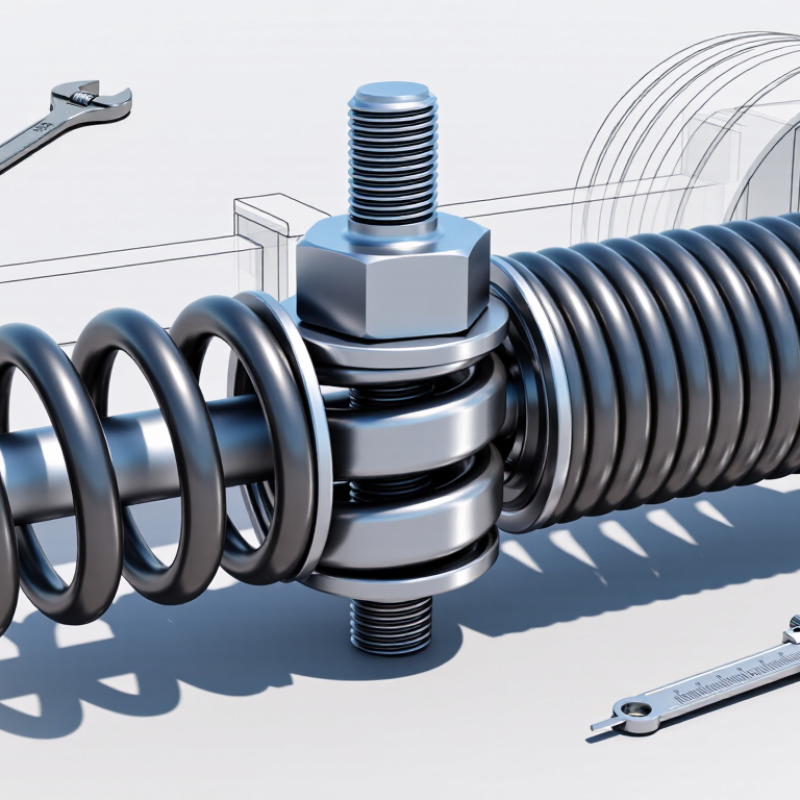
A truck center bolt is a hardened pin that passes through the center holes of a leaf spring pack. It keeps each spring leaf aligned and helps locate the axle on the spring assembly. The bolt head usually fits into a matching recess in the axle seat or spring pad. This connection helps control axle movement during braking, acceleration, and uneven road conditions.
You will find center bolts on many trucks, trailers, buses, and work vehicles using multi-leaf suspension systems. They are common on rear axles, but some front suspension designs also use them. Their dimensions matter. Buyers should check the bolt diameter, thread length, head shape, material strength, and overall length before ordering. A small mismatch can prevent proper seating or damage the spring pack.
Inspection experience shows that corrosion, stretched threads, and loose spring leaves deserve attention. Reusing a damaged bolt is a poor gamble. The correct replacement should match the suspension design and installation requirements, including tightening torque. However, not every truck uses the same structure. Some axle systems use different locating methods, so assumptions can be costly. Measure the original part and confirm the vehicle application with reliable technical drawings or a qualified supplier. That extra check often prevents downtime and uneven tire wear.

On a truck with leaf springs, the center bolt passes through the spring leaves. Its head fits into the locating hole on the axle seat. This keeps the axle centered on the spring pack during assembly and operation.
The bolt does not work alone. U-bolts clamp the axle, spring pack, and seat together with strong, even pressure. The center bolt helps prevent the spring leaves from sliding lengthwise or shifting sideways. On rough roads, this alignment supports stable handling and consistent suspension movement. If the bolt breaks, the axle may move from its intended position. Steering response can then become unpredictable.
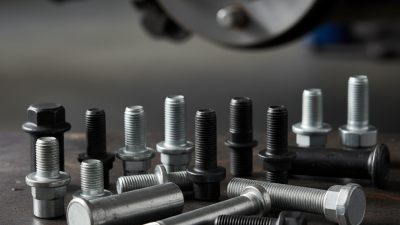
For global buyers, material quality and machining accuracy deserve close attention. A suitable center bolt should have a properly formed head, clean threads, and reliable heat treatment. The thread must match the nut and provide smooth engagement. Rust, damaged threads, or uneven surfaces can weaken the joint.
Installation also matters. The nut should be tightened according to verified service specifications, not guesswork. After initial operation, inspection may reveal settling in the spring pack. A clean-looking bolt can still be stretched or cracked. That is an easy detail to overlook, and it deserves more respect. Buyers should request dimensional checks, material records, and practical load-testing information before approving a shipment.
A truck center bolt holds leaf springs in alignment and carries repeated loads near the axle. Its material strongly affects fatigue resistance, thread durability, and corrosion performance. Heat-treated alloy steel usually offers a useful balance of strength and toughness. However, excessive hardness can make the bolt brittle under shock loads. Buyers should request material certificates, hardness data, and tensile test results from qualified suppliers. In real inspections, small surface cracks near the thread have caused more concern than visible rust.
Design details matter just as much. The bolt’s shank diameter, thread length, head shape, and spring-seat fit must match the suspension assembly. A longer thread is not always better. Extra threads may contact the spring pack and create stress points. The correct preload also depends on thread accuracy, washer design, and torque control. A thicker bolt can still perform poorly when its head does not seat evenly. This is an easy detail to miss.
Tips: Compare the bolt with the original drawing, not appearance alone. Check thread gauges and head dimensions before installation. Ask for salt-spray or corrosion testing when vehicles operate in wet regions. Recheck torque after initial road use, because spring movement can change clamping force. One practical weakness remains: paperwork cannot replace dimensional inspection. Include both in the buying process.
Why Is a Truck Center Bolt Important for Global Buyers?
Center bolt quality directly affects the alignment and stability of a truck leaf-spring assembly. It passes through the spring leaves and keeps the pack correctly positioned. If its head is poorly formed, the leaves may shift during braking, cornering, or heavy loading. A clean-looking bolt can still be unsafe. Surface appearance is not proof of strength.
The FMCSA Large Truck Crash Causation Study identified vehicle-related factors in about 4% of investigated crashes. This figure is small, but mechanical failures can create serious consequences. The CVSA 2024 International Roadcheck reported that 23.3% of inspected commercial vehicles were placed out of service. Its findings included brake, tire, lighting, and other equipment defects. These reports do not isolate center bolts, yet they show why small components deserve disciplined inspection.
Global buyers should verify material grade, heat treatment, thread accuracy, and dimensional consistency. ISO 898-1 provides mechanical property requirements for carbon and alloy steel fasteners. Buyers should also request torque guidance, hardness results, tensile-test records, and batch traceability. In practical inspections, thread damage and uneven seating often reveal production problems before failure occurs. Corrosion protection matters too, especially for vehicles operating near coastal roads or winter chemicals.
Price alone can mislead procurement teams. A cheaper bolt may increase rework, downtime, and suspension damage. Still, specifications are not enough. Supplier audits, sample testing, and installation feedback should challenge the paperwork. That step is often missed.
Center bolts help keep leaf-spring leaves aligned and transfer suspension loads through the spring pack. The chart compares the minimum tensile and yield strength values specified for SAE J429 Grade 5 and Grade 8 fasteners. Higher strength can improve resistance to stretching and permanent deformation, but global buyers should also verify bolt diameter, thread fit, heat treatment, corrosion protection, and application-specific fatigue requirements.
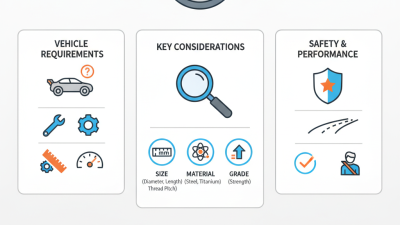
For global buyers, a truck center bolt should be evaluated as a suspension locating part, not merely a threaded fastener. Confirm the bolt diameter, total length, head shape, thread pitch, and fit with the leaf spring center hole. Compare the steel grade and heat-treatment records with the vehicle’s service requirements. A reliable supplier should provide inspection data, dimensional tolerances, and corrosion-control details. Ask for samples before placing a large order. Small differences matter.
Installation requires a clean, stable work area and properly supported suspension components. Remove rust and dirt from the leaf pack, then align every leaf around the center hole. The bolt head must seat fully in the axle spring pad. Do not hammer a misaligned bolt into place. Tighten the nut to the vehicle or supplier torque specification, using a calibrated torque wrench. Guessing is tempting, but it can damage threads or leave the spring pack loose. Replace damaged nuts and never reuse a visibly stretched or cracked bolt.
Maintenance should include checks for loose nuts, shifted leaves, thread damage, and rust around the bolt head. Inspect after the first loaded trip and during routine suspension service. A practical detail is often missed: paint marks across the nut and bolt can reveal movement. Field inspections sometimes find a clean-looking bolt with hidden fatigue. That possibility deserves attention. If the suspension has settled, recheck alignment and torque according to service guidance. Records of inspections also help buyers compare suppliers and identify repeated failures.